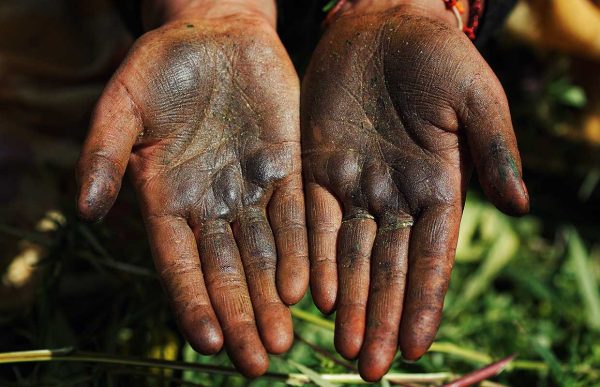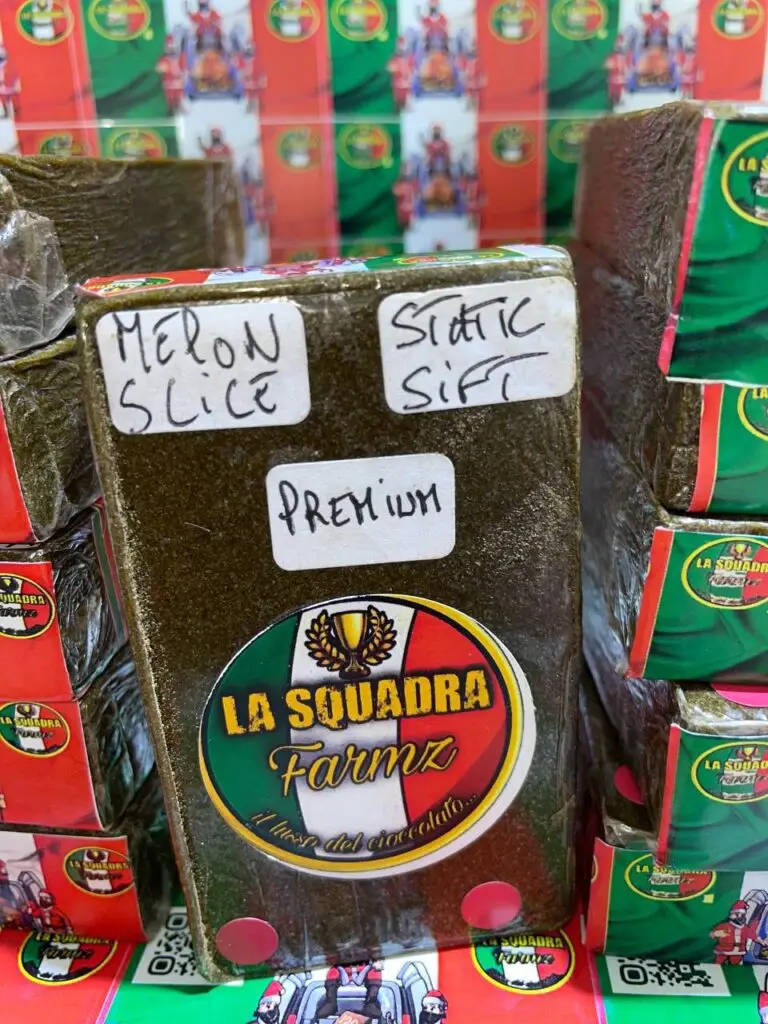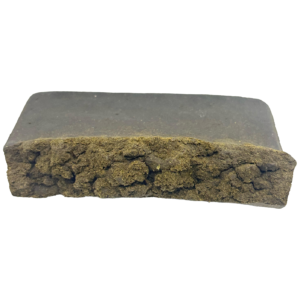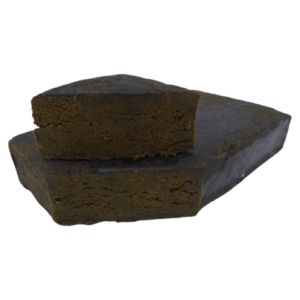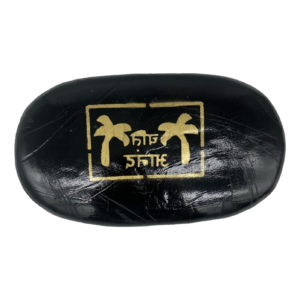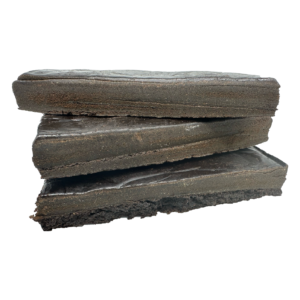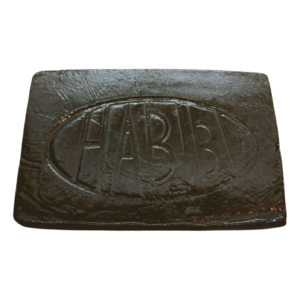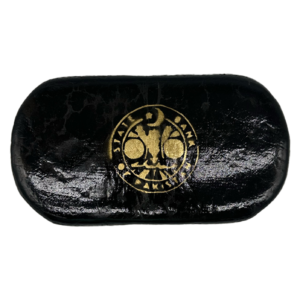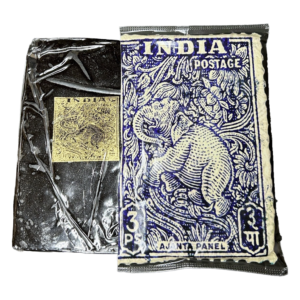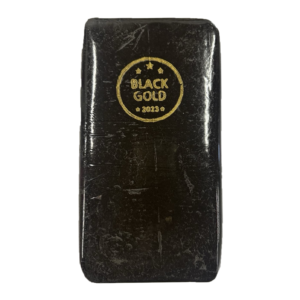


Afghani and Indian hash are among the most historically recognized forms of cannabis resin. Both have long cultural traditions and are associated with distinct production methods, regional influences, and physical characteristics.
This category provides educational information about these traditional resin products, their origins, and the factors that distinguish them from one another.
Afghani hash originates from Afghanistan, a region known for centuries of cannabis cultivation. Traditional production methods typically involve collecting and processing resin from cannabis plants into compressed forms.
Indian hash has a long history and is often associated with hand-rubbed resin production techniques practiced in certain regions of India.
Afghani and Indian hash are often produced using different traditional techniques, which can influence texture, appearance, and aroma.
Climate, cultivation practices, and local traditions contribute to the unique characteristics associated with each category.
Products may vary from soft and pliable to firm and dense depending on production methods and environmental conditions.
Both Afghani and Indian hash have played important roles in regional agricultural and cultural traditions for centuries. Their production techniques continue to be studied and discussed by researchers, historians, and cannabis industry observers.
Common factors used when evaluating traditional hash products include:
Showing 1–9 of 17 results
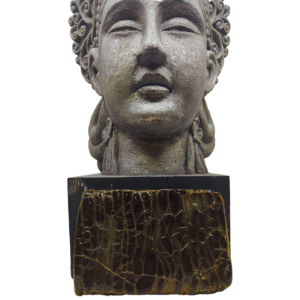 Nepalais Finger Hash
Price range: €69.95 through €389.99
Nepalais Finger Hash
Price range: €69.95 through €389.99
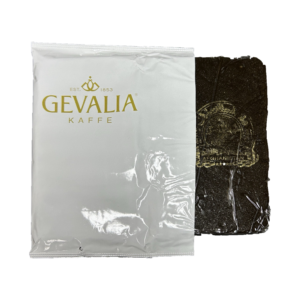 Afghani Gevalia Hash – Premium Traditional Afghan Resin
Price range: €59.95 through €369.99
Afghani Gevalia Hash – Premium Traditional Afghan Resin
Price range: €59.95 through €369.99
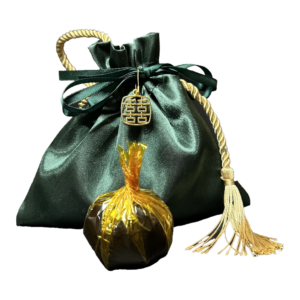 Temple Ball Öm Hash
Original price was: €740.00.€700.00Current price is: €700.00.
Temple Ball Öm Hash
Original price was: €740.00.€700.00Current price is: €700.00.
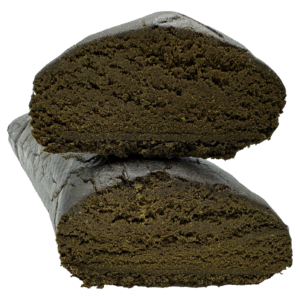 Paki Gum Hash
Price range: €50.00 through €300.00
Paki Gum Hash
Price range: €50.00 through €300.00