

Commercial hash refers to resin-based products that are produced at scale using standardized processing methods within the broader cannabis and hemp industry. Unlike artisanal or small-batch resin, commercial hash is typically associated with larger production volumes, consistent output, and industrial-level processing techniques.
This category is widely discussed in the context of global resin markets, where demand for standardized products has led to the development of more efficient extraction and manufacturing processes.
Understanding commercial hash requires looking at its production methods, classification types, and how it fits into the wider resin and hemp industry.
Commercial hash is generally defined as resin-based material that is processed in bulk using mechanical, thermal, or extraction-based methods. It is designed to maintain consistency across large production batches while preserving key characteristics of the original plant material.
The production of commercial hash varies depending on technology, region, and intended product quality.
Commercial production often begins with separating trichomes from plant material using mechanical methods such as sieving or ice-water extraction systems.
The collected resin is filtered to remove plant impurities and improve consistency.
The resin is then pressed into blocks, slabs, or other standardized shapes depending on market requirements.
Proper drying ensures stability, texture control, and long-term preservation of the final product.
Commercial hash is not a single product type but a category that includes several variations based on production techniques.
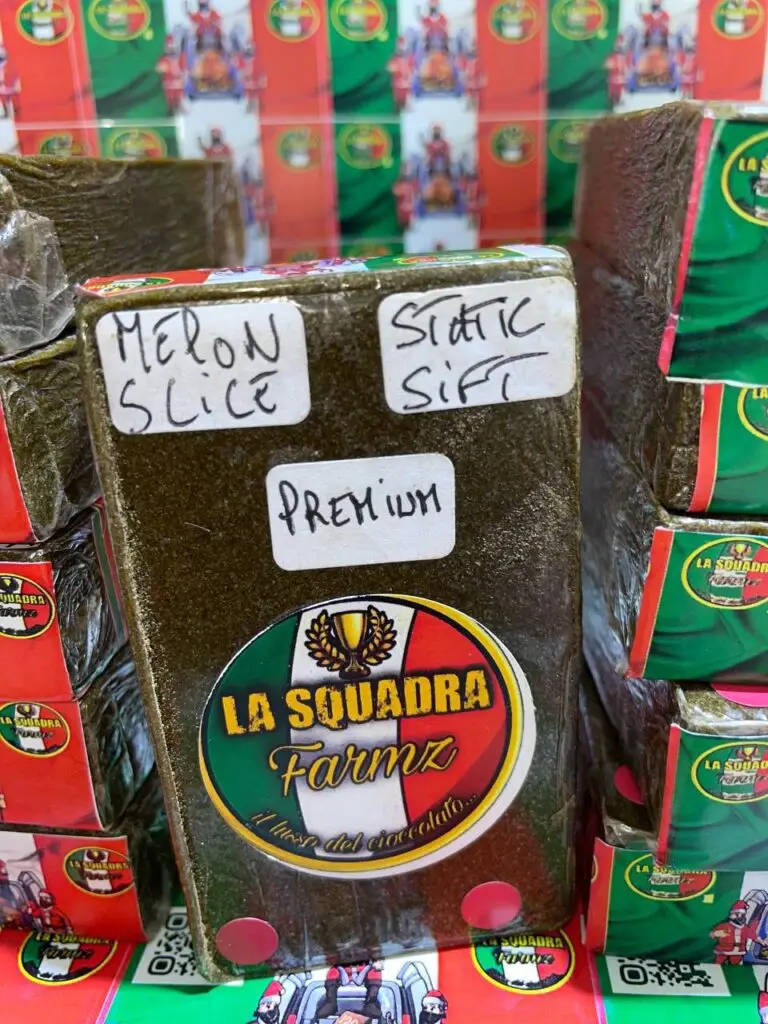
Pressed hash is one of the most common commercial forms. It is created by compressing resin into dense blocks for easier handling and storage.
Sifted hash is produced by mechanically separating trichomes through fine mesh screens before compression.
This method uses cold water extraction techniques to separate resin glands from plant material.
Some commercial hash products may be blended to ensure uniform texture, aroma, and appearance across batches.
Commercial hash plays an important role in large-scale resin production markets. It is commonly associated with standardized supply chains and regulated production environments in regions where hemp or cannabis industries are legally established.
Its main purpose is to ensure consistent availability of resin products that meet defined quality and production standards.
Several factors are used to evaluate or describe commercial hash products:
Commercial hash is often referenced in discussions about:
Commercial hash represents the industrial evolution of traditional resin production. It allows producers to scale operations while maintaining a level of consistency that supports broader market demand.
It also plays a role in the development of extraction technologies and refinement processes used across the hemp and cannabis sectors.
Showing all 7 results
 Nepalais Finger Hash
Price range: €69.95 through €389.99
Nepalais Finger Hash
Price range: €69.95 through €389.99
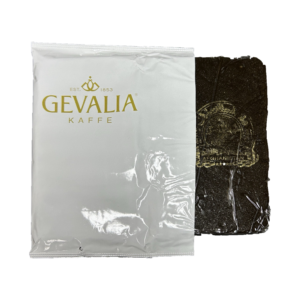 Afghani Gevalia Hash – Premium Traditional Afghan Resin
Price range: €59.95 through €369.99
Afghani Gevalia Hash – Premium Traditional Afghan Resin
Price range: €59.95 through €369.99
 Temple Ball Öm Hash
Original price was: €740.00.€700.00Current price is: €700.00.
Temple Ball Öm Hash
Original price was: €740.00.€700.00Current price is: €700.00.
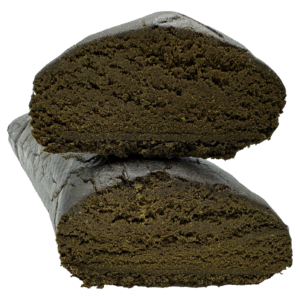 Paki Gum Hash
Price range: €50.00 through €300.00
Paki Gum Hash
Price range: €50.00 through €300.00