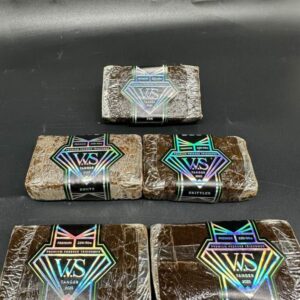


Filtered hash refers to resin-based products that undergo additional purification or screening processes to remove plant material and improve consistency. It is commonly discussed within cannabis and hemp processing contexts where refinement and filtration techniques play a key role in determining the final product structure.
This category is used to describe hash products that have been processed through filtering methods such as mesh screening, water extraction, or mechanical separation.
Understanding filtered hash involves looking at how it is made, what techniques are used, and how it differs from traditional or unfiltered resin products.
Filtered hash is a form of cannabis or hemp resin that has been processed to remove unwanted plant matter. The goal of filtration is to isolate trichomes—the resin-producing glands of the plant—resulting in a more refined final product.
Filtered hash is created using different extraction and separation techniques depending on the desired quality and production scale.
Dry sifting involves using fine mesh screens to separate trichomes from dried plant material. The result is a refined resin powder that may be further processed.
This method uses cold water and agitation to separate trichomes, which are then filtered through multiple mesh bags.
Industrial processes may use machines to filter and collect resin at scale for consistency.
After collection, the resin may be pressed or shaped depending on product requirements.
Filtered hash can vary depending on the method used and the level of refinement.
Produced through mechanical screening, dry sift hash is one of the most traditional forms of filtered resin.
Made using ice water extraction, bubble hash is known for its high level of filtration and purity.
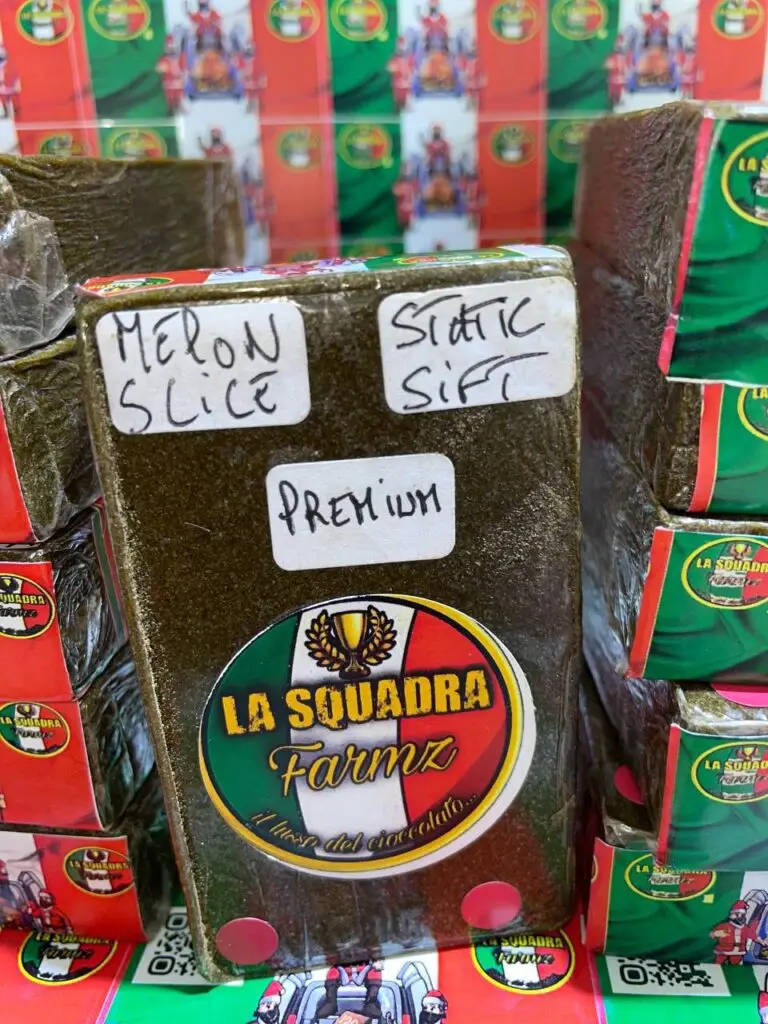
Some filtered resins are compressed into blocks or slabs after processing.
In some cases, filtered resin is left unpressed as a fine granular material.
Filtered hash typically contains fewer plant materials compared to traditional pressed hash.
Filtered hash often appears lighter and more granular depending on refinement level.
Filtration generally improves uniformity across batches.
Filtration is an important step in modern resin production because it:
Filtered hash is often referenced in discussions about:
Several elements influence the quality of filtered hash:
Showing all 7 results
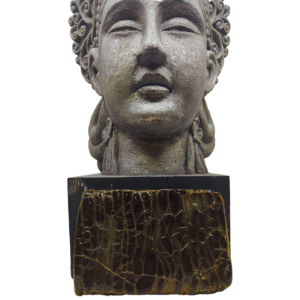 Nepalais Finger Hash
Price range: €69.95 through €389.99
Nepalais Finger Hash
Price range: €69.95 through €389.99
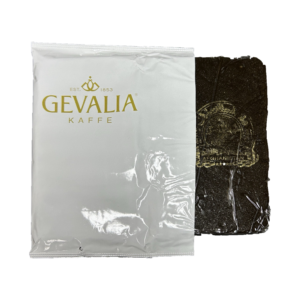 Afghani Gevalia Hash – Premium Traditional Afghan Resin
Price range: €59.95 through €369.99
Afghani Gevalia Hash – Premium Traditional Afghan Resin
Price range: €59.95 through €369.99
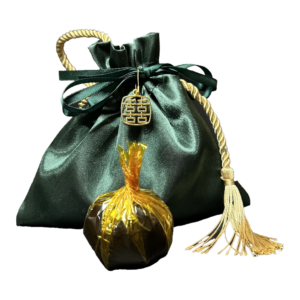 Temple Ball Öm Hash
Original price was: €740.00.€700.00Current price is: €700.00.
Temple Ball Öm Hash
Original price was: €740.00.€700.00Current price is: €700.00.
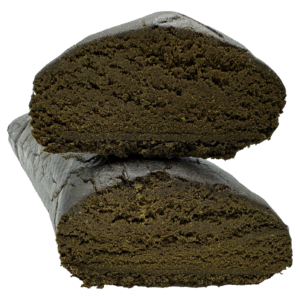 Paki Gum Hash
Price range: €50.00 through €300.00
Paki Gum Hash
Price range: €50.00 through €300.00