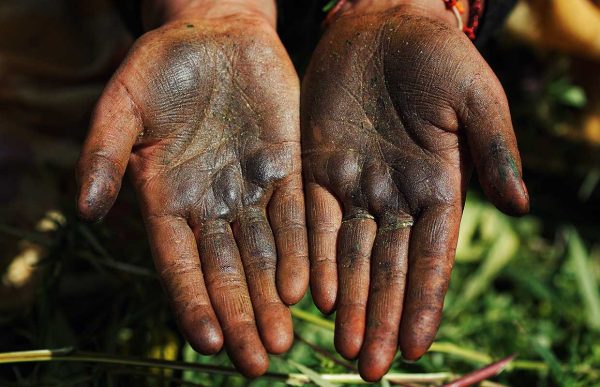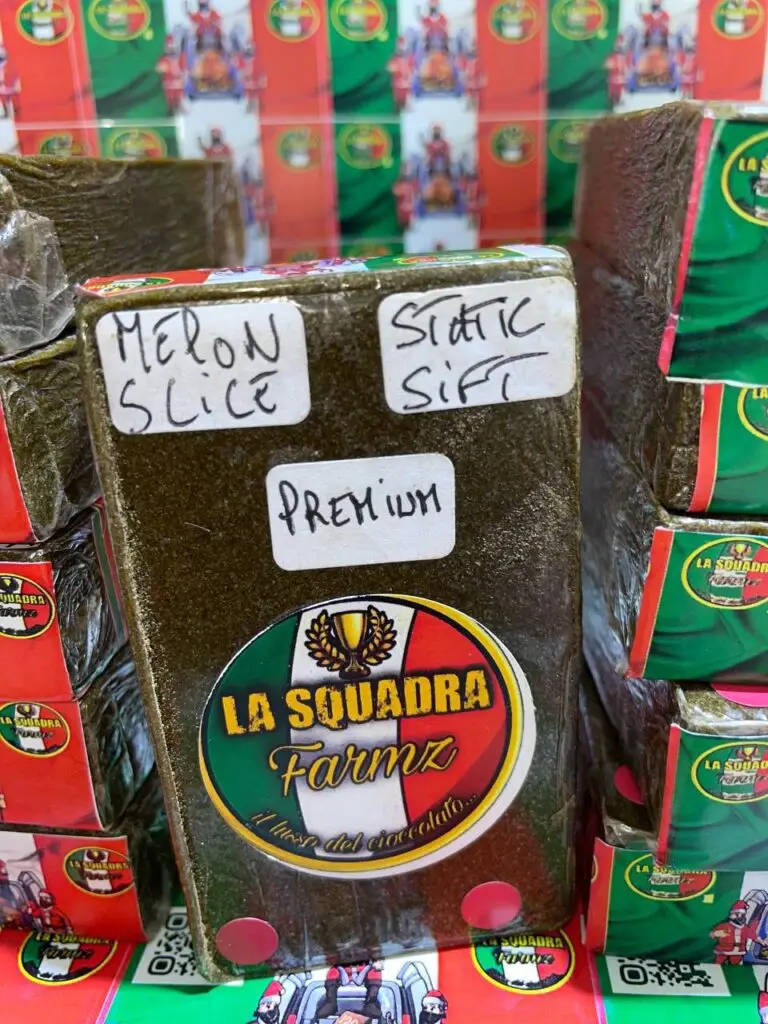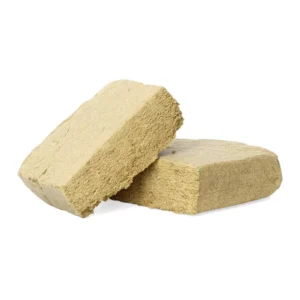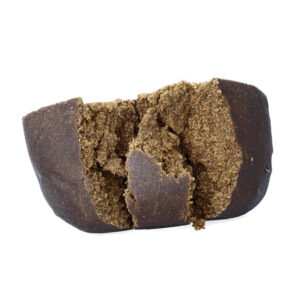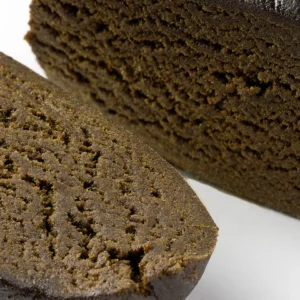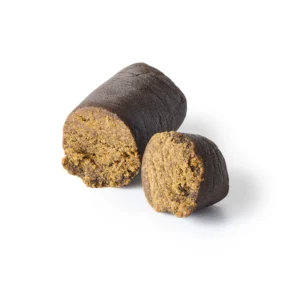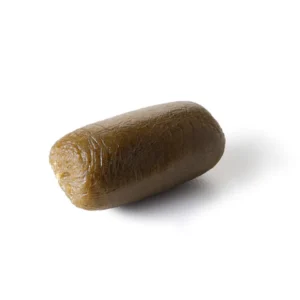


CBD hash is a hemp-derived resin product made from the trichomes of hemp plants that are naturally rich in cannabidiol (CBD). It is commonly discussed within the broader hemp industry because of its distinctive texture, aroma, appearance, and traditional resin-production methods.
This category provides educational information about CBD hash, including how it is produced, the different varieties available, and the characteristics that distinguish one type from another.
As the European hemp market has evolved, CBD hash has become one of the most widely recognized hemp-derived resin categories. Manufacturers use a variety of extraction and processing methods to create products with unique textures, colors, and aromatic profiles.
CBD hash is generally produced by collecting resin-rich trichomes from industrial hemp plants and compressing them into a concentrated form. The resulting product may vary significantly depending on cultivation practices, processing techniques, and source material.
Many hemp producers focus on preserving the plant’s natural compounds and aromatic characteristics during production.
The CBD hash category includes several product styles, each with unique characteristics.
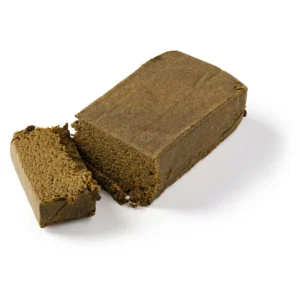
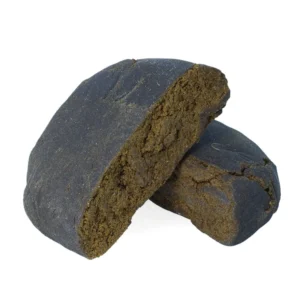
Pressed CBD hash is created by compressing collected hemp resin into blocks, slabs, or other forms. The texture may range from soft and pliable to firm and dense.
Dry sift products are produced by separating trichomes from hemp flowers through fine screens. This method has long been associated with traditional resin production.
Pollen-style CBD hash refers to products made primarily from collected trichomes. These products often differ in appearance and texture from pressed varieties.
Modern hemp processing techniques have led to the creation of specialty resin products with unique visual and aromatic characteristics.
Production methods play a significant role in determining the final characteristics of CBD hash.
Everything begins with hemp cultivation. Factors such as genetics, growing conditions, and harvesting methods can influence resin development.
The resin-rich trichomes are separated from plant material using various techniques.
Collected resin may be sifted, pressed, filtered, or refined depending on the desired product style.
Proper storage helps maintain consistency, texture, and aroma over time.
Professionals and enthusiasts commonly evaluate hemp resin products using several criteria.
Textures may range from soft and sticky to firm and brittle.
Color and appearance can vary depending on production techniques and source material.
Different hemp cultivars produce distinctive aromatic profiles that may be described as earthy, herbal, woody, floral, citrus, or spicy.
Consistency is often used to assess uniformity across batches.
The European hemp sector has seen increasing interest in hemp-derived resin products. Consumers, researchers, and industry observers continue to study production methods, quality standards, and cultivation practices associated with CBD-rich hemp.
As a result, a wide range of CBD hash styles and formats can now be found across the hemp marketplace.
Several factors are commonly discussed when evaluating hemp resin products:
Understanding these factors can help readers better appreciate the diversity of products within the CBD hash category.
Showing 1–9 of 14 results
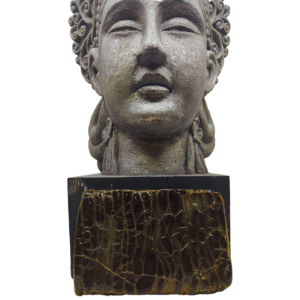 Nepalais Finger Hash
Price range: €69.95 through €389.99
Nepalais Finger Hash
Price range: €69.95 through €389.99
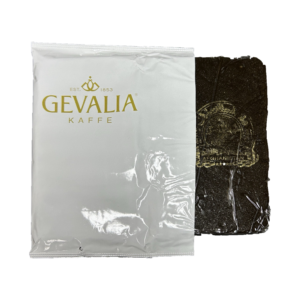 Afghani Gevalia Hash – Premium Traditional Afghan Resin
Price range: €59.95 through €369.99
Afghani Gevalia Hash – Premium Traditional Afghan Resin
Price range: €59.95 through €369.99
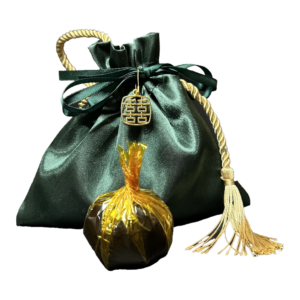 Temple Ball Öm Hash
Original price was: €740.00.€700.00Current price is: €700.00.
Temple Ball Öm Hash
Original price was: €740.00.€700.00Current price is: €700.00.
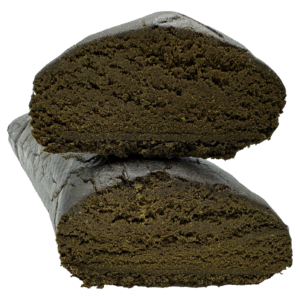 Paki Gum Hash
Price range: €50.00 through €300.00
Paki Gum Hash
Price range: €50.00 through €300.00