

Nepalese hash refers to traditional resin products originating from Nepal, a region with a long history of cannabis cultivation and handcrafted resin production. Known for its artisanal techniques and cultural heritage, Nepalese hash is often discussed in the context of traditional hash-making practices in the Himalayan region.
This category explores its origins, production methods, characteristics, and role within global resin traditions.
Nepalese hash is a type of cannabis resin traditionally produced by collecting trichomes from mature cannabis plants and forming them into compact resin blocks or balls.
It is widely recognized for its handcrafted nature and cultural association with Himalayan cannabis traditions.
Nepalese hash is typically made using manual techniques passed down through generations.
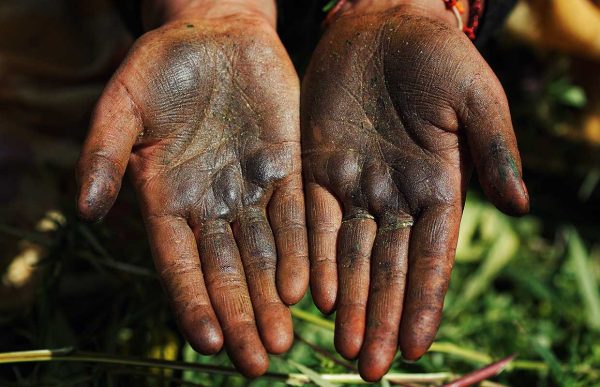
In some traditional practices, resin is collected by gently rubbing cannabis flowers between the hands until trichomes accumulate.
Dried plant material is sometimes processed using manual separation techniques to collect resin glands.
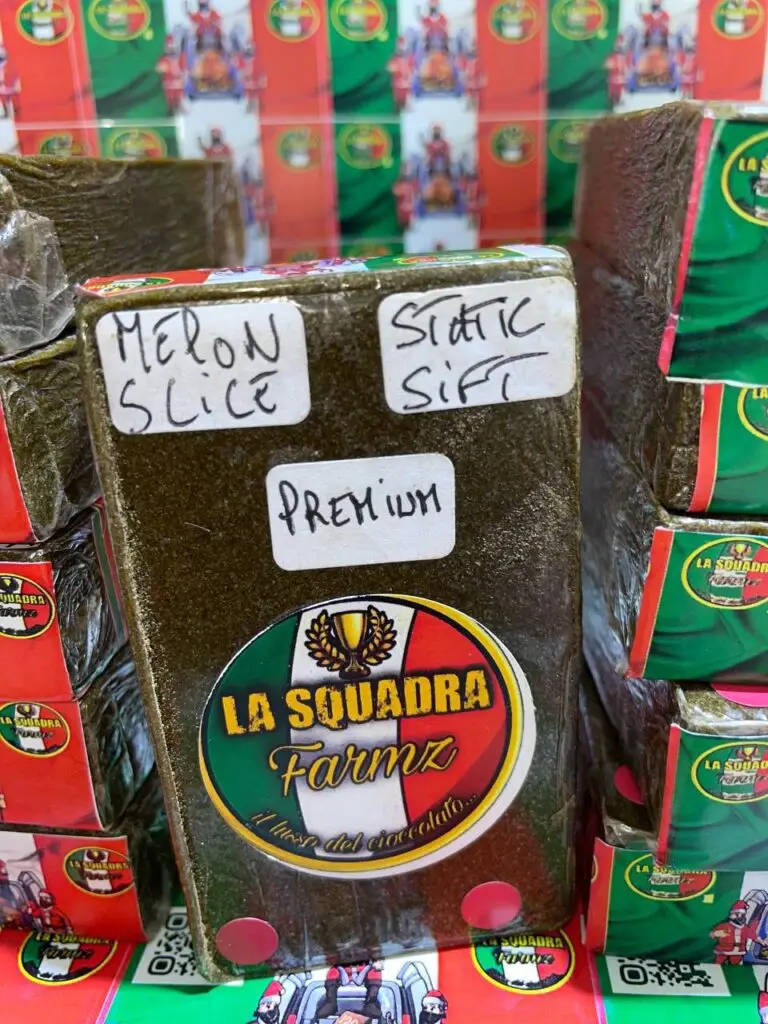
Once collected, resin is pressed into small balls or blocks for storage and transport.
Nepalese hash can vary depending on region, technique, and processing style.
One of the oldest methods, producing dark, sticky resin collected directly from plants.
Compressed resin shaped into small blocks or spheres for storage.
Different regions of Nepal may produce variations in texture, aroma, and appearance due to environmental differences.
Nepalese hash is often described using the following attributes:
Can range from soft and sticky to firmer compressed forms depending on processing and storage conditions.
Typically dark brown to black in color, reflecting traditional resin collection methods.
Aromatic profiles may include earthy, herbal, woody, or spicy notes depending on plant genetics.
Consistency can vary significantly due to manual production methods.
Nepalese hash has deep cultural roots in Himalayan cannabis traditions. It has historically been part of local agricultural practices and artisanal craftsmanship.
Its production is closely tied to regional heritage and traditional knowledge systems.
Today, Nepalese hash is often referenced in discussions about:
Several factors influence the characteristics of Nepalese hash:
Showing the single result
 Nepalais Finger Hash
Price range: €69.95 through €389.99
Nepalais Finger Hash
Price range: €69.95 through €389.99
 Afghani Gevalia Hash – Premium Traditional Afghan Resin
Price range: €59.95 through €369.99
Afghani Gevalia Hash – Premium Traditional Afghan Resin
Price range: €59.95 through €369.99
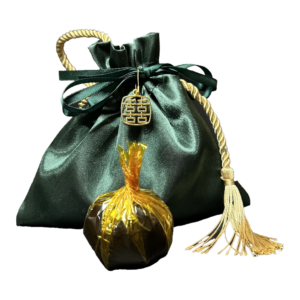 Temple Ball Öm Hash
Original price was: €740.00.€700.00Current price is: €700.00.
Temple Ball Öm Hash
Original price was: €740.00.€700.00Current price is: €700.00.
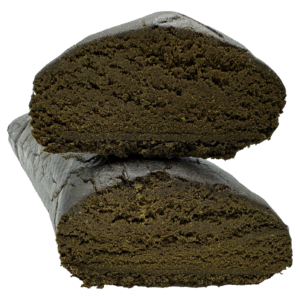 Paki Gum Hash
Price range: €50.00 through €300.00
Paki Gum Hash
Price range: €50.00 through €300.00